Rising Tide: Analyzing Global Market Trends and Projections for K Beauty in the US

The global rise of Korean beauty (K Beauty) and Korean aesthetics has captured the attention of consumers and industry experts alike. Particularly in the United States, this trend is reshaping how people approach skincare and beauty routines. The US market is experiencing a significant expansion fueled by innovative products, cultural influence, and shifting consumer preferences. This post explores the current market trends, growth drivers, and future projections for K Beauty and K Aesthetics in the US, offering insights into what makes this phenomenon so compelling.

The Growing Popularity of K Beauty in the US
K Beauty’s appeal lies in its unique approach to skincare, emphasizing gentle, effective ingredients and multi-step routines that focus on skin health rather than quick fixes. This philosophy resonates strongly with American consumers who are increasingly seeking natural, science-backed products.
Several factors contribute to K Beauty’s growing popularity in the US:
Innovative formulations: Ingredients like snail mucin, centella asiatica, and fermented extracts offer new solutions for common skin concerns.
Affordable luxury: K Beauty products often provide high quality at accessible price points.
Engaging packaging and branding: Visually appealing designs and storytelling create strong emotional connections.
Social media influence: Beauty influencers and user reviews help spread awareness and trust.
The US market’s openness to new beauty trends and the rise of online shopping have accelerated K Beauty’s penetration. Brands such as COSRX, Laneige, and Dr. Jart+ have become household names, supported by both specialty retailers and mainstream outlets.
Market Trends Driving Expansion
Several key trends are shaping the K Beauty and K Aesthetics market in the US:
1. Demand for Clean and Sustainable Beauty
Consumers increasingly prioritize clean, cruelty-free, and environmentally friendly products. K Beauty brands have responded by reformulating products to exclude harmful chemicals and adopting sustainable packaging. This aligns well with US consumers’ values, boosting brand loyalty.
2. Personalization and Customization
Personalized skincare is gaining traction. K Beauty brands are leveraging technology and data to offer tailored solutions that address individual skin types and concerns. This trend enhances customer satisfaction and encourages repeat purchases.
3. Integration of Technology in Aesthetics
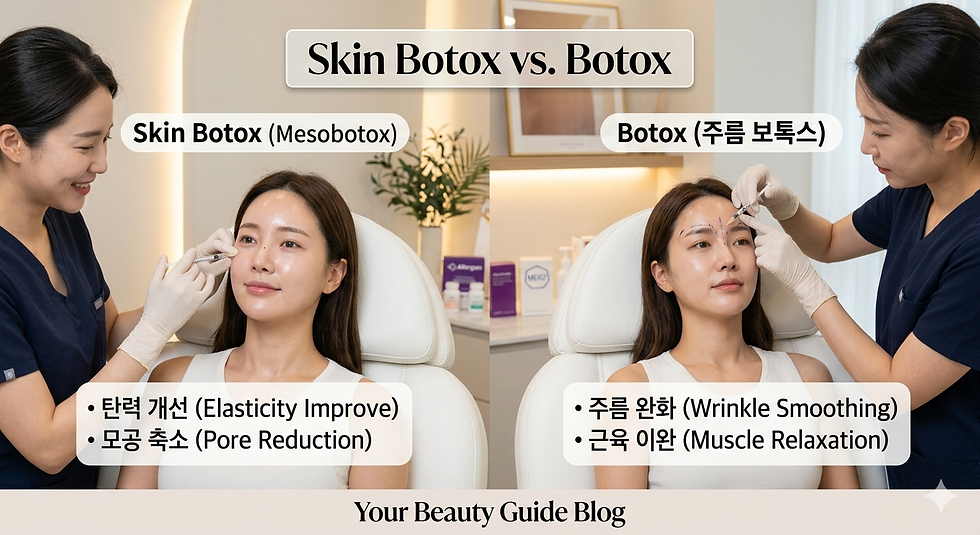
K Aesthetics, including non-invasive treatments and devices, are becoming more popular. The US market shows strong interest in innovations like LED therapy masks, ultrasonic cleansers, and at-home micro-needling tools inspired by Korean dermatology practices.
4. Expansion of Retail Channels
K Beauty’s presence is growing beyond online platforms into physical stores, department stores, and beauty boutiques. Collaborations with US retailers and pop-up events increase accessibility and brand visibility.
Projections for the US Market
Industry reports forecast continued growth for K Beauty and K Aesthetics in the US over the next five years. Some projections include:
Market size growth: The US K Beauty market is expected to grow at a compound annual growth rate (CAGR) of around 8-10%, reaching several billion dollars by 2028.
Increased consumer base: Younger generations, especially Gen Z and millennials, will drive demand due to their openness to new beauty trends and digital engagement.
Product innovation: Brands will continue to introduce novel ingredients and multifunctional products that combine skincare with makeup benefits.
Aesthetic services growth: The demand for minimally invasive aesthetic treatments will rise, supported by technological advancements and consumer desire for natural-looking results.
Challenges and Opportunities
While the outlook is positive, the market faces challenges such as:
Competition: The US beauty market is crowded, with many domestic and international brands vying for attention.
Regulatory hurdles: Compliance with US regulations on cosmetics and medical devices requires careful navigation.
Consumer education: Some K Beauty concepts and products may need explanation to gain wider acceptance.
Opportunities lie in:
Collaborations with US influencers and dermatologists to build credibility.
Expanding product lines to include wellness and lifestyle elements.
Leveraging data analytics to refine marketing and product development.
What This Means for Consumers and Brands
For consumers, the rise of K Beauty means more choices that emphasize skin health, innovation, and sustainability. It encourages a more thoughtful approach to beauty routines, blending tradition with modern science.
For brands, success in the US market requires understanding local preferences, investing in education, and maintaining authenticity. Those that balance innovation with accessibility will likely thrive.
The US market’s embrace of K Beauty and K Aesthetics signals a shift toward more diverse, inclusive, and health-focused beauty standards. This trend is not just a passing fad but a lasting change in how beauty is defined and pursued.